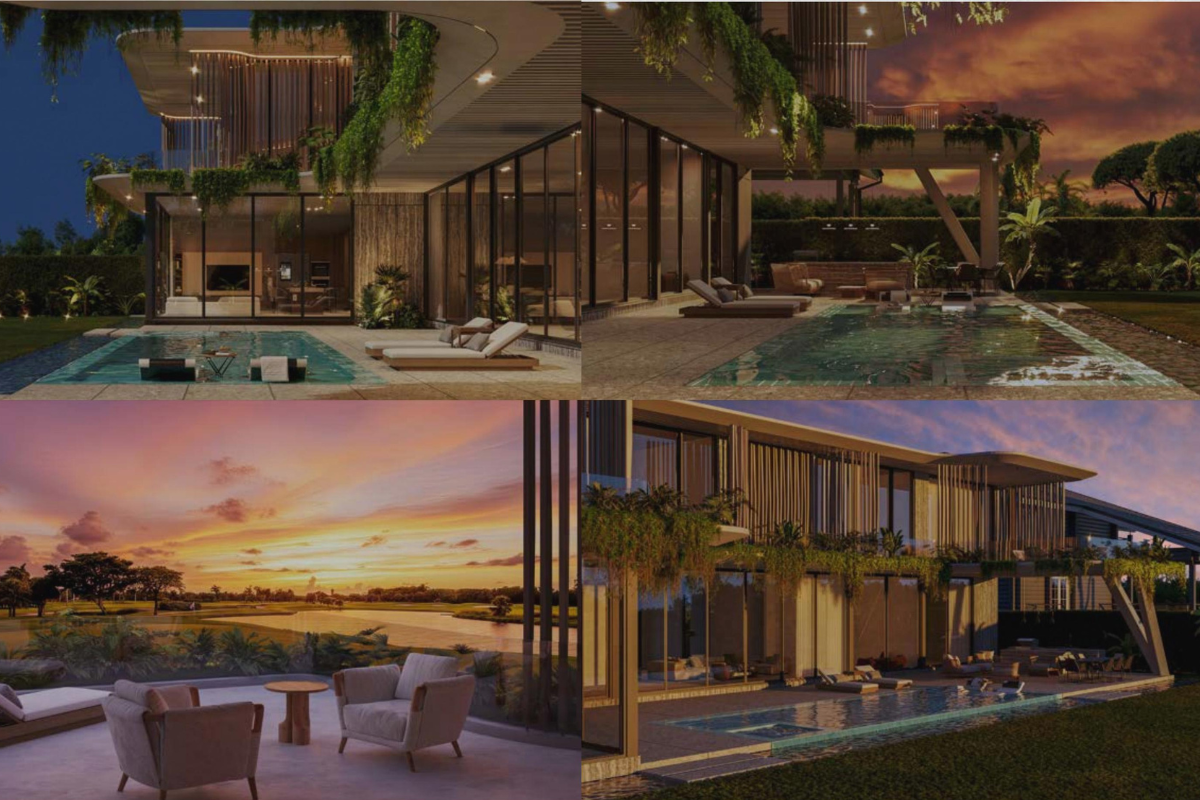
The luxury home design process does not begin with choosing marble, furniture, or finishes. It begins with a much more important question: how do you want to live in your home?
Many people believe that a beautiful design is enough, but the truth is that a well-designed residence is not built from aesthetics alone. It is shaped by daily experience, layout, light, materiality, proportion, functionality, and the way each space supports the life of the people who inhabit it.
That is why we created this article: to show what happens behind a thoughtfully designed home, from the first conversation to the moment the keys are handed over.
1. The first conversation: understanding the client’s vision
Every project begins with a deep conversation.
This stage is not just about knowing how many bedrooms the home needs or what style the client prefers. It is about understanding how they live.
Asking the right questions is essential. How do they entertain guests? Which spaces do they use the most? What are their daily routines? What do they want to feel when they come home? What needs to be solved? What do they want to preserve, transform, or express through design?
In luxury home design, personalization means creating a space that responds to a specific way of living. A home can look impressive, but if it does not support the real life of the people who use it, the design is incomplete.
2. The concept: turning ideas into a clear design direction
Once the vision is understood, the concept begins to take shape.
The concept is the foundation that guides the entire project. It defines the atmosphere, palette, materiality, forms, visual language, and overall intention of the home.
A strong concept prevents the home from feeling like a Pinterest board: beautiful furniture, materials, or references that do not truly connect. Instead, it allows each space to speak to the next and gives the final result a clear identity.
In the luxury home design process, this stage is essential because it gives coherence to every decision that follows.
3. The layout: designing how the space is lived
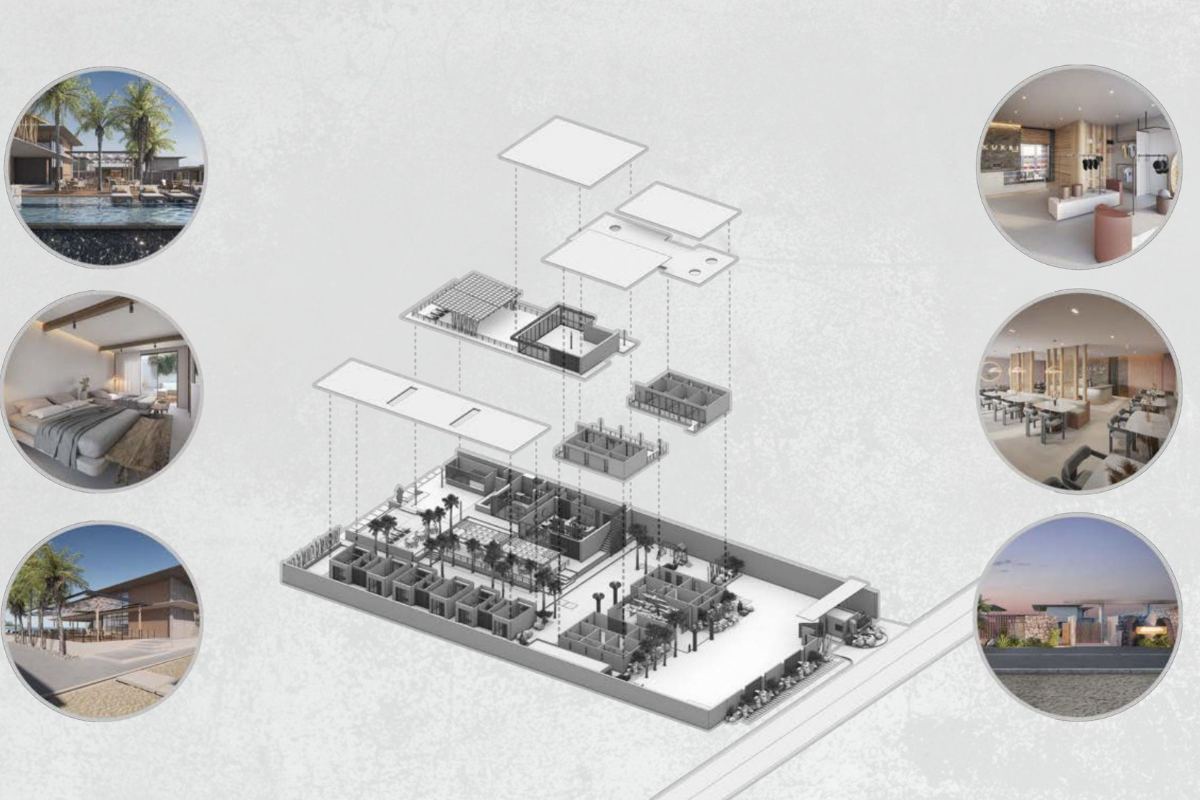
A well-designed home should not only look good. It should work well.
That is why one of the most important stages of the interior design process is reviewing the layout, spatial flow, and relationship between areas.
Where the light enters. How the kitchen connects to the social areas. How private the primary suite feels. How indoor and outdoor spaces come together. How people move throughout the home.
These decisions are often not the most visible in a photograph, but they are the ones that define the everyday experience of the home.
Good design allows the home to respond better to the way people actually live.
4. 3D visualization: seeing before building
Once the design direction is defined, visualization becomes a key tool.
3D interior design renderings allow the client to see how the space will feel before it is built. They help support better decisions around proportion, materials, lighting, furniture, textures, and atmosphere.
In high-end residential projects, this is not an extra luxury. It is a way to reduce uncertainty, avoid costly changes, and align expectations from the beginning.
A rendering is not just a beautiful inspirational image. It is a design, communication, and decision-making tool.
5. Materiality and finishes: choosing with intention
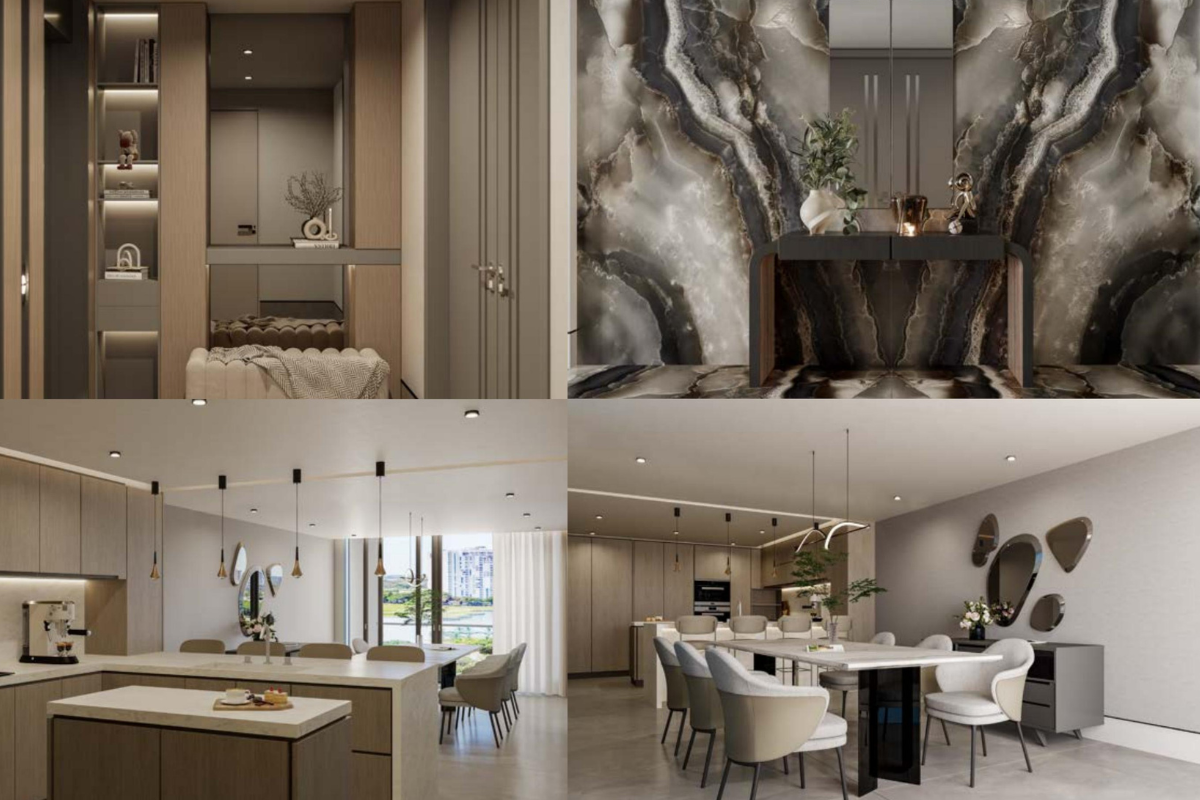
Interior material selection is one of the most visible stages of the process, but it is also one of the most strategic.
Wood, natural stone, textiles, metals, wall coverings, lighting, and special pieces should be chosen for more than their appearance. Their texture, durability, maintenance, proportion, and connection to the overall concept also matter.
In a luxury home, materials should not compete with one another. They should build an atmosphere.
The difference is in choosing finishes that look beautiful today, but also age with elegance. That is where true luxury lives: in what remains coherent over time.
6. Technical documentation: turning design into clear instructions
After the creative stage, the project needs precision. This part may feel less emotional, but it is essential.
Plans, specifications, construction details, and technical documents allow contractors, vendors, and construction teams to understand exactly what needs to be executed. Without this technical clarity, even a strong idea can lose strength during construction.
Technical documentation protects the design intent and helps every decision reach the job site with precision.
7. Coordination and guidance: protecting the project’s intention
During execution, many decisions appear along the way.
On-site adjustments. Material confirmations. Vendor coordination. Detail reviews. Unexpected challenges.
Professional guidance helps protect the original design intent and maintain coherence between what was imagined, what was visualized, and what is ultimately built.
In luxury interior design, details are not accessories. They are part of the experience. A joint, a transition between materials, the height of a light fixture, or the proportion of a piece of furniture can completely change how a space is perceived.
8. The handover: when the home begins to be lived in
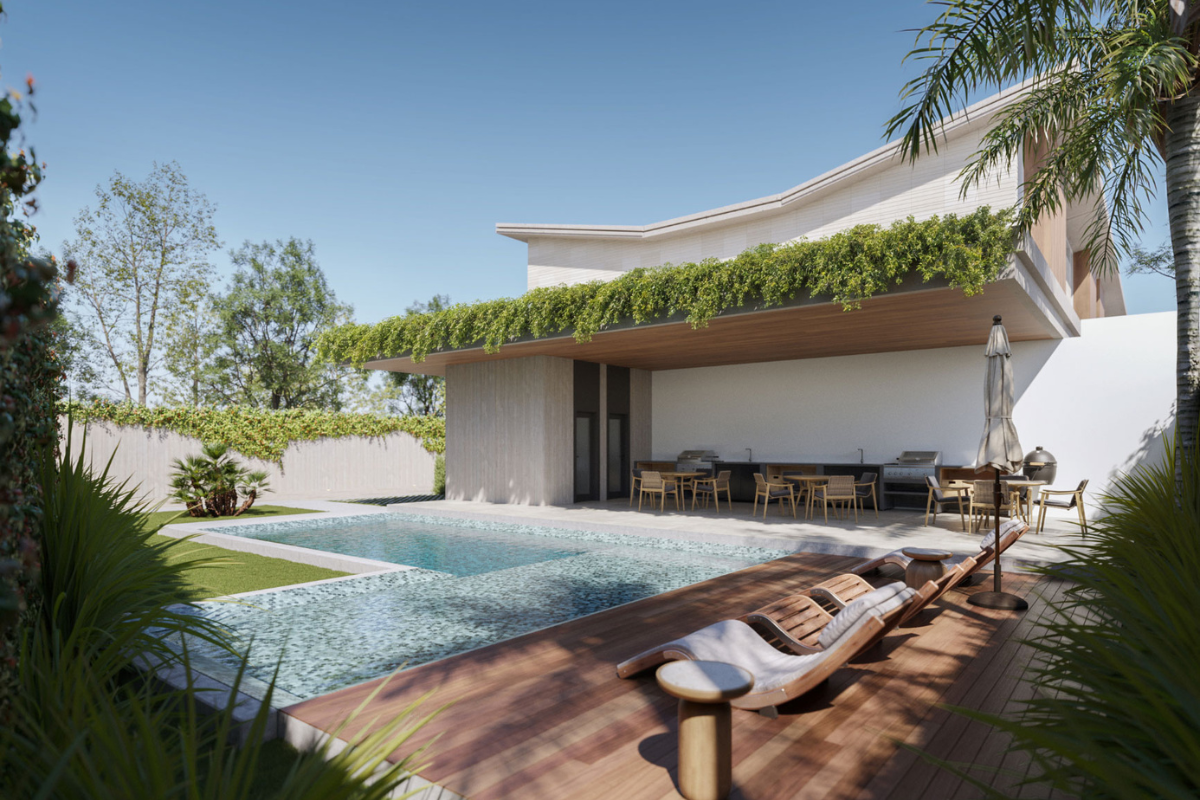
The handover is the moment when everything that was designed begins to serve its purpose.
Every material, every proportion, every source of light, every circulation path, and every selected detail becomes part of the client’s daily life.
A well-designed home feels complete when it can be inhabited naturally, comfortably, and meaningfully. That is the true result of a good process: a home that not only represents a vision, but also responds to a way of living.
From concept to keys
The luxury home design process requires more than good taste. It requires vision, method, precision, and a deep understanding of how people want to inhabit their spaces.
From the first conversation to the final handover, every stage has a purpose. Understanding these stages helps clients make better decisions and recognize the value of working with an expert team.
At FORMA Design Studio, every project is approached through an integrated lens. Our team guides the process from concept development to visualization, material selection, technical documentation, and the coordination of every detail needed to preserve the design intent through the final result.
If you are thinking about building, renovating, or transforming your home, we can work together to turn that vision into a clear, cohesive, and intentionally designed project.
We invite you to visit our portfolio and begin imagining what your home could look like when designed with us.